

Our Renovation Services
Story Hill Renovations is a high-end, custom design-build renovation firm offering interior design, remodeling, and home furnishings—all under one roof. This full-service approach allow you to work with the same trusted team throughout every step of your renovation, from the first design conversation to material selections, construction, and furnishing your completed space.
Renovation Timeline
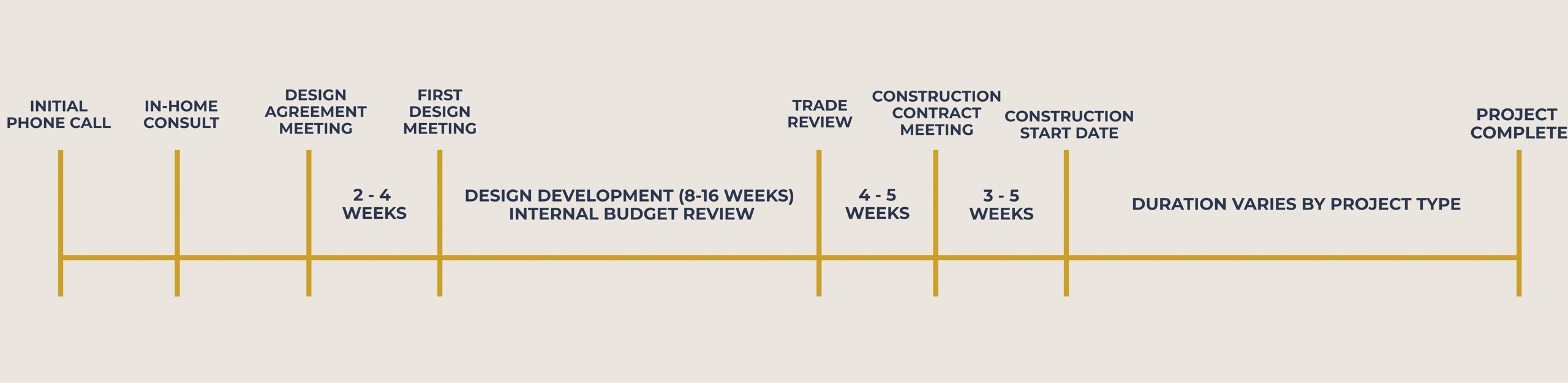
DESIGN DEVELOPMENT PHASE TIMELINE
Most renovation design development timelines take 8 to 16 weeks, allowing homeowners to finalize layouts, selections, and project details before receiving accurate construction pricing.
CONSTRUCTION PHASE TIMELINES
Kitchen Renovations 12 – 16 weeks
Bathroom Renovations 8 – 12 weeks
Basement Renovations 8 – 14 weeks
Whole House Renovations 4 – 6 months
Design
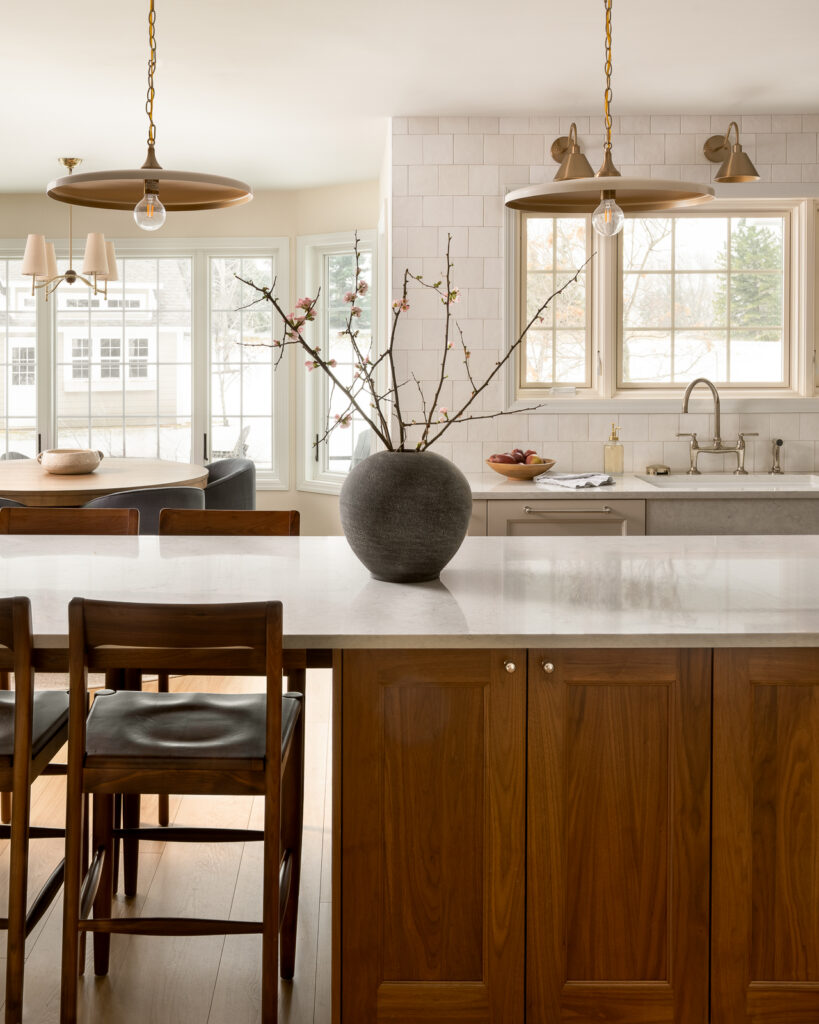
Every Story Hill Renovations project begins with Design Development. During this collaborative phase, your dedicated interior designer learns how you live in your home, what is not working, and what you hope to achieve through your renovation.
Our design services include detailed measurements, space planning, layout development, and review of your inspiration, priorities, routines, and aesthetic preferences. We explore multiple design possibilities before refining the direction that best supports your home, lifestyle, and investment.
We then develop the design into detailed construction documents and coordinate with our trade partners to confirm the project’s scope, feasibility, and pricing—creating a strong foundation for a successful renovation.
REMODEL
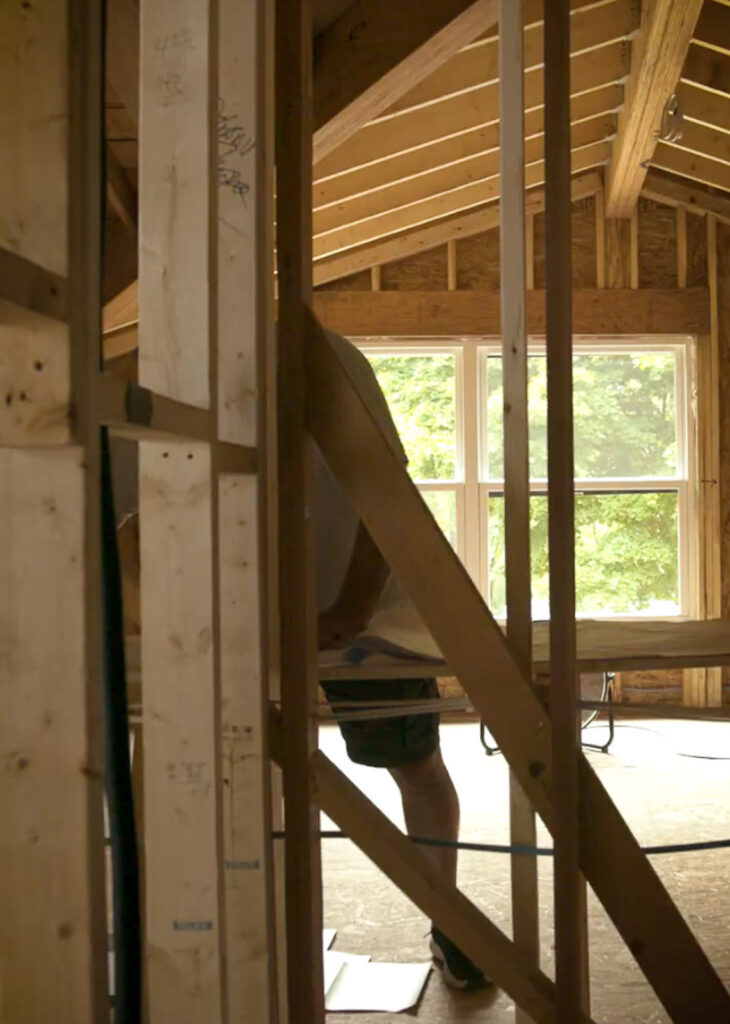
Once the design is complete and the remodeling agreement is signed, your dedicated project manager oversees the renovation from pre-construction through final completion.
Your project manager serves as your primary point of contact and is responsible for the day-to-day coordination of your project. This includes managing the construction schedule, organizing trade partners and material deliveries, monitoring craftsmanship, maintaining jobsite standards, and addressing questions as work progresses.
Story Hill Renovations also coordinates required building permits and works directly with the appropriate city or village. Regular meetings and project updates keep you informed while our team manages the many moving parts behind the scenes. The result is a well-organized construction experience with consistent oversight and attention to detail from start to finish.

Furnish
Our interior design services can continue beyond construction to help your newly renovated rooms feel complete and connected to the rest of your home.
Our designers can curate, source, purchase, and coordinate the installation of furnishings and decorative elements selected specifically for your space. Furnishing services may include:
- Furniture and upholstery
- Area rugs and window treatments
- Decorative lighting
- Artwork and mirrors
- Pillows and other soft goods
- Accessories and finishing details
By considering furnishings throughout the renovation process, we can create a cohesive finished space in which the architecture, materials, colors, and furniture work beautifully together.
